
The Top 10 Methods To Utilize The Laser Technology In A Scientific Manner.
Safe Lasers' therapeutic efficacy is not based upon stories but rather on a well-established scientific discipline that is known as Photobiomodulation (PBM). PBM, formerly called "low-level light therapy" (LLLT) is a nonthermal process in which photons delivered by a laser or superluminous dime (SLD) interact with cellular components to trigger biochemical change. The technology employed in both the Safe Laser 1800 and 500 is specifically designed to exploit photophysical and photobiological principles. Understanding the science behind these devices will help to understand why wavelength, power, coherence, and other parameters are crucial. They also reveal how they can initiate physiological reactions at the molecule level which can result in benefits for patients such as pain relief.
1. The Primary Photon Acceptor: Cytochrome c Oxidase
Safe Laser Technology is based on the presence of an internal photoacceptor. A key molecule identified by the extensive study is cytochrome-c Oxase. CCO, a large protein complex that has transmembrane membranes, is Unit IV in the mitochondrial transport chain. It contains metal centers (copper and heme iron) with distinct light absorption spectra. CCO absorbs light particles from the near-infrared and red ranges (especially at 810nm). This absorption is able to stop the suppression of CCO by the nitric (NO) the oxygen-deficient substance that is found in tissues which is inflamed. The displacement of NO facilitates more efficient electron transfer, which is able to restore mitochondrial membrane potential, and kicking off the production of energy within cells.
2. The Wavelength of 810nm for the Best Penetration And Absorption
The decision to select 810 nm is based on scientific consideration. The wavelength is in the "optical" or "therapeutic" window of the tissue (between the 650-950 nm range to 950 Nm), which is determined. Within this wavelength range endogenous chromophores, such as melanin in skin and hemoglobin in blood absorb light at a relatively small level. This allows the light particles to penetrate deep into tissues, causing muscles, tendons, ligaments as well as bone. The oxidized CCO absorbs at 810 nm that makes it an extremely efficient wavelength to initiate photobiomodulation within deep tissues. This is the main goal of both the SL 1800 & SL 500.
3. Power Output and the Biphasic Dose Response (Arndt-Schulz Law)
The biphasic dosing response, one of the key fundamentals of PBM is the reason for the difference in power between models 1800 (18W) versus 500 (5W). This principle is similar in concept to Arndt Schulz Law. In Pharmacology, low levels of light don't have a significant impact, while moderate doses cause an increase in the stimulation. The high dose, however, can be harmful or even hinder. The SL 1800's high power does not serve as a single massive dose. It is possible to provide the optimal dose (measured as Joules) within a short period of time, thereby increasing clinical efficiency. The SL 500 provides the same dose over a longer period of time, making it a great choice for applications that are localized or for those which are less sensitive to time.
4. Coherent vs. Non-Coherent Light The role of Laser in. SLDs
Safe Laser 1800 utilizes a pure coherent laser diode. It is believed that a coherent light will be able to penetrate tissues more effectively since it is less scattered. This theory, also known as superradiance, rests on the fact that all light particles will be in phase. This might allow 1800's light to penetrate the tissues more effectively. Safe Laser 500 has a laser diode that emits 810 nm in its center, however superluminous diodes in a ring that emit 660 nanometers are arranged around it. SLDs have a monochromatic and non-coherent spectrum. The wavelength 660 nm is superficially absorbed by hemoglobin, making it the ideal wavelength for wounds and skin conditions. This enables the SL 500 to target multiple tissue depths simultaneously with different lighting properties.
5. The Biochemical Cascade From ATP to ROS Signaling
The initial photon absorption by CCO sets off a critical biochemical chain reaction. The most significant effect is markedly increased synthesis of adenosine triphosphate (ATP) that is the universal energy currency used by the cell. The science of science goes beyond just energy production. The increase in activities of the electron transport chain causes an unintentional, low-level rise in ROS and release of calcium ions. These molecules aren't harmful, but act as signaling agents that stimulate transcription factors like NF-?B or AP-1. These molecules move from the nucleus to the cell, and stimulate genes that are associated with cell survival, proliferation and antioxidant defense.
6. Nitric Oxide (NO) Signaling and Vasodilation
Light can be used to remove nitric oxide out of CCO. This offers two advantages. First, mitochondria are activated. In the second the NO released is absorbed into the circulatory system, acting as a vasodilator. NO relaxes and widens the smooth muscle of blood vessel walls. This increases local microcirculation which increases the supply of nutrients and oxygen to the damaged tissue and aiding in the removal of metabolic waste and inflammation-related byproducts. This is the primary connection between PBM and the rapid reduction in edema and swelling has been observed in clinical studies.
7. Stem Cell Proliferation & Differentiation
PBM's ability to influence stem cell behavior is becoming more apparent. Research has demonstrated that 810 nm light can trigger the growth and migration of a variety of adult stem cells, including mesenchymal stem cells (MSCs) and adipose-derived stem cells. Additionally, PBM can influence the development of these cells, promoting their development into osteoblasts (bone cells) or chondrocytes (cartilage cells) when utilized in the correct setting. Safe treatment with lasers for degenerative joints and enhancing bone repair is supported by the scientific evidence.
8. Axonal Spouting and Nerve Repair
Safe Laser works by affecting neurons. PBM is believed to boost the expression of genes related to neuronal protection and growth. It enhances the production and synthesis of GAP-43 protein. This is crucial for axonal sprouting. A boost in ATP production is essential for nerve repair. The anti-inflammatory effects can also lessen the swelling that can restrict nerves, which can lead to pain relief in conditions like carpal tunnel syndrome.
9. Cellular Redox Signaling and Antioxidant Defenses
PBM induces a mild, transient oxygenative stress (the slight increase in ROS mentioned earlier). This is a preconditioning stimuli that triggers an adaptive response in the cell. The cell responds by increasing its own powerful anti-oxidant defense mechanisms. These include enzymes like glutathione peroxidase and superoxide demutase. This is not an oxidant condition, but an incredibly robust and resilient cell environment that is capable of handling more serious dangers from oxidation.
10. Clinical Translation From Bench To Bedside
The science-based basis for Safe Laser technology is supported by a vast and growing body of peer-reviewed literature. Thousands of lab studies on cells and animals models have clarified the processes that are described. The foundational science has been successfully translated in to clinical practice. The development of the Safe Laser 1800 and 500 is an application to engineering of this research-based knowledge, optimizing parameters like the wavelength, power, and application type to achieve predictable and effective clinical results. Follow the most popular Safe Laser vélemények for website examples including safe laser 500 bérlés, bemer terápia budapest, soft laser 500, lézeres fizioterápia, lézeres izületi kezelés, lágylézer kezelés szeged, safe laser hu, lézeres kezelés gy?r, lágylézer terápia, laser terapia and more.
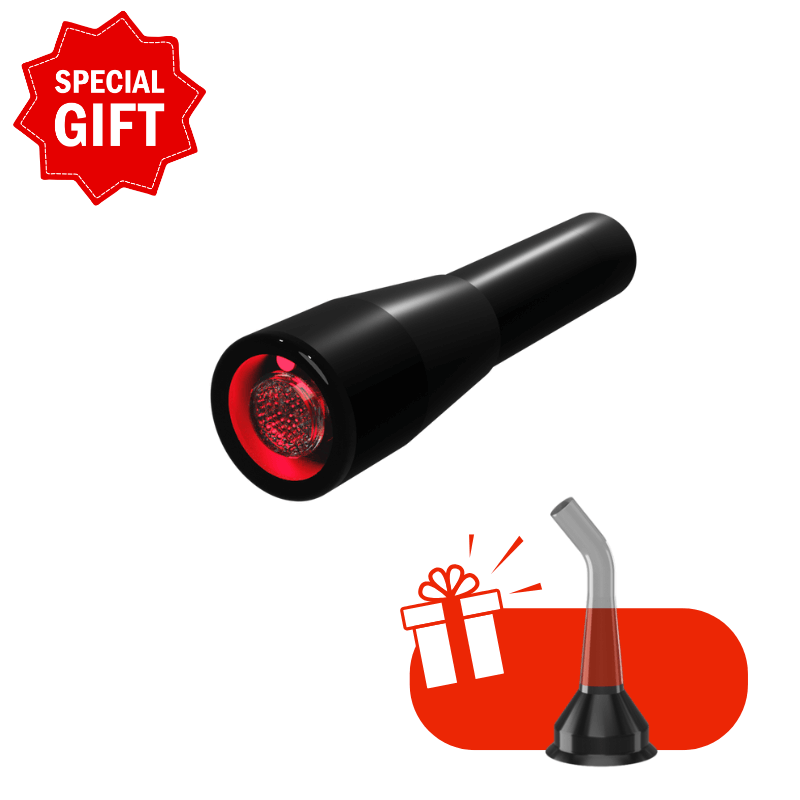
Top 10 Tips On Tracking The Progress And Results When Making Use Of Safe Laser Devices
It is essential to keep track of progress and outcomes, but it is not often thought of. This is the key to a successful PBM therapy with Safe Laser devices. Without objective and subjective evidence, it's impossible to determine effectiveness, adjust treatment parameter or justify continued treatment for patients or insurance companies. Effective tracking converts anecdotal experiences into a logical, evidence-based practice. The system of multi-faceted tracking captures both quantitative and qualitative patient feedback, starting from beginning with the baseline assessment to the final result. This process is not only used to aid in the making of the clinical decision-making process, but it helps the patient to be more confident by bringing their progress to life.
1. Setting up an Comprehensive Baseline Assessment
A clear baseline must be established before any treatment with lasers can commence. This will be the basis against which progress will be evaluated. A solid baseline will include
Subjective Scales – Use uniform Numeric and Visual Analog Scales to measure pain intensity while at rest, moving about, or in the evening.
Functional Assessment: Documenting the limitations in specific areas (e.g. unable to lift the arm over the shoulder, able to only walk for ten minutes).
Measurements Objectives: Include the use of goniometry to measure the range of movement (ROM), measurement of strength, as well as the circumferential measure of swelling.
Qualities of Life Indicators: Monitoring the effects on mood, sleep, and ability to carry out daily activities (ADLs).
2. The importance of a standardized treatment log
A meticulous treatment journal is crucial to track the progress of your treatment. Each session should be recorded in full detail.
Date and time of Treatment
Conditions Treated, and Specific Anatomical Locations to be Targeted (e.g. the "medial attachment of right supraspinatus", "proximal attachment" of the right condyle of the femoral).
Treatment Parameters comprise: the total amount of energy that is delivered per site (in Joules), setting of the power and treatment time.
Patients' Immediate response any feedback received either immediately or within the session.
3. Utilizing validated tools to measure outcomes
In order to be objective and to compare results, practitioners must use valid tools. Instruments that are frequently used for musculoskeletal problems include:
The Oswestry Disability Index for lower back pain.
The Shoulder Pain and Disability Index.
The Lower Extremity Functional Scale (LEFS) or HOOS/KOOS to measure hip and knee osteoarthritis.
These tests can give a quantifiable result that can be tracked over the course of time. It offers a clearer view of functional improvement rather than scores for pain.
4. Regularly re-assessments at defined intervals
It is not advisable to guess the rate of improvement; instead, take measurements at regular and pre-determined times. Re-assessing the most important metrics (painscales primary function limitation, ROM) at least every 3 to 5 treatments is a typical protocol. The frequent review helps the doctor to assess whether the current treatment is working or if the it is necessary to have the parameters adjusted. Re-evaluations every week or biweekly with full scores of outcome tools may be more comprehensive.
5. Documenting the "Healing Crisis", Interim Fluctuations
Monitoring should be based on the variations in the healing process. Feedback from patients has revealed that after initial treatment certain patients experience an increase or a temporary deterioration of symptoms. It is essential to document these symptoms. It allows you to distinguish between a normal healing reaction and an adverse response or a non-effective treatment. If you note the person's pain rising from 4/10 up to 6/10 the second day, and then decreased to 3/10 on day 4, it will provide an important context.
6. Photographic Documentation
For conditions with visible manifestations like wounds or skin ulcers, edema or bleeding, serial photography is an indispensable tracking tool. At every assessment point, photos should be taken from the same distance and at the same angle with the same lighting. This will give evidence of progress such as less swelling, the disappearance of wounds or bruising.
7. Logs and Diaries compiled by patients
A simple patient journal can be used to record daily pain levels as well as medication usage and the specific activities they could perform. Simple patient journals can help keep track of pain levels throughout the day, the medications they are taking as well as the activities they're capable of doing. These records can reveal patterns that are not apparent in a medical setting, for example, pain that is related to particular movements or changes in sleep quality, offering a more holistic view of the effect of treatment.
8. Dosage Tracking Parameter Adjustments
PBM's effectiveness is dependent on dose. The treatment log should clearly record any changes made to the procedure. The treatment log should be logged along with the patient's progress. This results in an feedback loop, which allows the practitioner to learn which parameters work best in particular situations and patient's responses, while also improving their clinical expertise in the course of time.
9. Follow-up for chronic conditions for the long term
In the case of chronic illnesses, monitoring should not stop when treatment ends. The effects of treatment may be assessed by scheduling a follow-up evaluation at the end of a month or three months after the last treatment. This helps you differentiate between temporary relief from pain and long-lasting tissue restoration and repair. It also helps identify patients who may benefit from a periodic "booster" treatment to maintain their progress.
10. Data Synthesis, Interpretation and Clinical Decision-Making
To make informed decisions, the final stage and the most crucial is to combine all the collected information. It's useless to monitor without interpreting. Does the patient's score for pain diminish gradually? Is the patient's functional score beginning to improve? Are they seeing any improvement in their ROM? If yes, then the procedure should be continued. The data will show how fast progress has slowed or reversed. If it is the case it is possible to alter the method, possibly through adjusting the dose or focusing on other structures or at other factors. Safe Laser treatment will be efficient and effective for each patient by this cycle driven by data. Take a look at the top rated bioptron lámpa for blog examples including lézeres körömgomba kezelés veszprém, orr lézer készülék, safe laser 500 vélemények, lágylézer mire jó, lagylezer, soft lézer készülék ára, sef lézer, lézeres izületi kezelés, safe laser 500 használata, lézerterápia otthon and more.

